
K-Laser Therapy
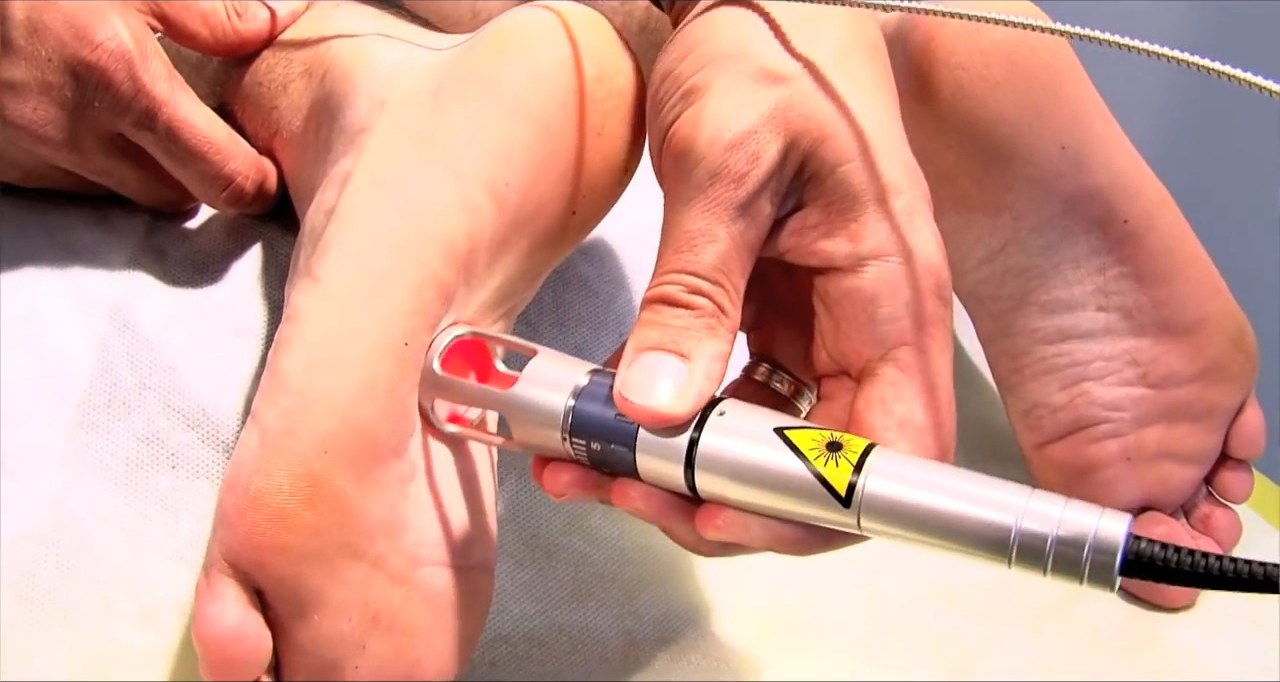
K-Laser Therapy
At Podiatry Medics, K-Laser therapy may be used to support the treatment of fungal toenails, plantar warts, wounds and selected muscle, joint and soft-tissue conditions.
K-Laser uses controlled wavelengths of light to target affected tissue. This process, known as photobiomodulation, may help reduce pain and inflammation, support circulation and encourage the body's natural healing response.
Dr Larry Sakellarides is both a Podiatrist and Clinical Myotherapist, allowing him to assess selected musculoskeletal concerns throughout the body, not only the feet and lower limbs.
K-Laser for Fungal Toenails
Fungal nail infections, also known as onychomycosis, may cause nails to become:
- Yellow, white or brown
- Thickened or distorted
- Brittle, flaky or crumbly
- Difficult to trim
- Separated from the nail bed
- Uncomfortable inside footwear
How Does It Work?
- Controlled laser energy passes through the nail plate
- Targeted warmth is delivered into the affected nail
- This may help reduce fungal organisms beneath the nail
- Healthy-looking nail gradually becomes visible as the nail grows forward
Possible Benefits
- Non-surgical treatment
- No injections or local anaesthetic are usually required
- No reported side effects compared to oral antifungal medications
- Highly more effective and safer than oral medications-
- Minimal interruption to daily activities
- Can treat several nails during one appointment
- May be combined with topical antifungal treatment
- May provide an option for patients unable or unwilling to take oral antifungal medication
What Should I Expect?
- The nail may be trimmed and thinned before treatment
- Protective eyewear is worn
- You may feel warmth during the procedure
- Several appointments may be recommended
- Visible improvement can take several months because toenails grow slowly
Not every thickened or discoloured nail is fungal. Diafactory real-time fungal nail testing may be recommended before treatment.
Your treatment plan may also include:
- Professional nail reduction
- Medical-grade topical antifungal products
- Treatment of tinea or athlete's foot
- Footwear and hygiene advice
- Cleaning or replacing contaminated socks and footwear
- Oral antifungal medication through your GP when appropriate
K-Laser for Plantar Warts
Plantar warts are caused by the human papillomavirus, or HPV. They commonly develop on the soles of the feet and may become painful during standing, walking or sport.
K-Laser wart treatment may be considered for painful, deep or persistent warts that have not responded to conservative treatment.
How Does Wart Treatment Work?
- The wart and surrounding skin are carefully assessed
- Local anaesthetic may be used to numb the area
- A focused surgical laser targets and removes the affected wart tissue
- The laser may also target the small blood vessels supporting the wart
- A protective dressing is applied after treatment
- The treated area gradually heals from the base upwards
Possible Benefits
- Precisely targets the affected tissue
- May be suitable for persistent plantar warts
- Provides an alternative when topical treatments have been unsuccessful
- Preserves surrounding healthy tissue where possible
- Is performed in a controlled clinical setting
Aftercare
- A wound may remain after the wart is removed
- Temporary tenderness or discomfort may occur
- Regular dressing changes may be required
- Pressure-relieving padding may be recommended
- Swimming and high-impact activity may need to be avoided during healing
- Follow-up appointments allow your podiatrist to monitor recovery
K-Laser for Pain Management
K-Laser therapy may be used to support the management of selected musculoskeletal pain throughout the body. Proven painless pain management therapy.
Conditions That May Benefit
- Plantar fasciitis
- Achilles tendinopathy
- Gluteal tendinopathy/Trochanteric bursitis
- Patella femoral syndrome
- Lower back and hip pain
- Back and neck pain
- Shoulder pain
- Elbow pain, including tennis or golfer's elbow
- Muscle strains and tightness
- Tendon pain and tendinopathy
- Joint pain and stiffness
- Bursitis
- Sports and overuse injuries
- Muscle trigger points
- Soft-tissue inflammation
- Post-injury or post-operative rehabilitation
How May K-Laser Help?
Treatment may assist by:
- Reducing pain and inflammation
- Supporting local circulation
- Relaxing painful or tight muscles
- Reducing muscle spasms
- Supporting tissue repair
- Improving comfort and movement
- Complementing exercise and rehabilitation
Areas That May Be Assessed
Dr Larry may assess selected painful areas involving the:
- Neck
- Upper and lower back
- Shoulders
- Elbows
- Wrists and hands
- Hips
- Knees
- Ankles and feet
- Muscles and tendons
K-Laser therapy may be combined with:
- Clinical myotherapy
- Manual therapy
- Stretching and strengthening
- Exercise rehabilitation
- Activity modification
- Footwear and biomechanical advice
- Referral to another health professional when required
K-Laser for Wound-Healing Support
K-Laser therapy may also be used alongside standard wound care to support the healing of suitable wounds.
How May It Help?
K-Laser may assist by:
- Supporting circulation around the wound
- Encouraging normal tissue-repair processes
- Helping manage inflammation
- Supporting the development of healthy tissue
- Assisting with wound-related discomfort
Wounds That May Be Assessed
- Slow-healing foot wounds
- Diabetic foot ulcers
- Pressure-related wounds
- Traumatic wounds
- Post-surgical wounds
- Skin breakdown
- Selected chronic wounds
K-Laser does not replace:
- Wound cleaning
- Appropriate dressings
- Infection treatment
- Pressure relief and offloading
- Medical or specialist wound management
Patients with diabetes, reduced circulation, infection, reduced sensation or delayed healing require a thorough assessment before treatment.
Needle-Free Laser Acupuncture and Trigger-Point Therapy
K-Laser may also be applied to selected muscular trigger points or acupuncture points without inserting a needle.
Possible Benefits
- Needle-free and non-invasive
- May suit patients who dislike or fear needles
- Usually comfortable during treatment
- Can target painful or sensitive areas
- May complement pain-management and rehabilitation treatments
- Usually requires no downtime
How Does It Work?
- Your symptoms, movement and painful areas are assessed
- Relevant trigger points or acupuncture points are identified
- Controlled laser energy is applied to the selected areas
- Treatment settings are adjusted to your condition
- Exercises or additional therapies may also be recommended
Laser acupuncture is not the same as traditional acupuncture or dry needling because no needle enters the skin. It may provide a needle-free alternative for stimulating selected treatment points.
What Should I Expect During K-Laser Therapy?
- Your condition and medical history will be assessed
- Protective eyewear is worn during treatment
- You may feel mild warmth in the treated area
- Treatment time depends on the size and number of areas being treated
- Several sessions may be recommended
- Results vary depending on the condition and individual response
- K-Laser is usually used as part of a broader personalised treatment plan
Is K-Laser Suitable for Everyone?
K-Laser may not be appropriate for every patient. Additional precautions or alternative treatment may be required for people with:
- Diabetes
- Reduced circulation
- Reduced sensation or neuropathy
- Active infection
- Delayed wound healing
- Certain medical conditions or medications
- Unusual or undiagnosed skin lesions
Your podiatrist will assess your suitability and explain the recommended treatment, possible benefits, risks and expected outcomes.
No referral is required to book an assessment with Podiatry Medics.